©

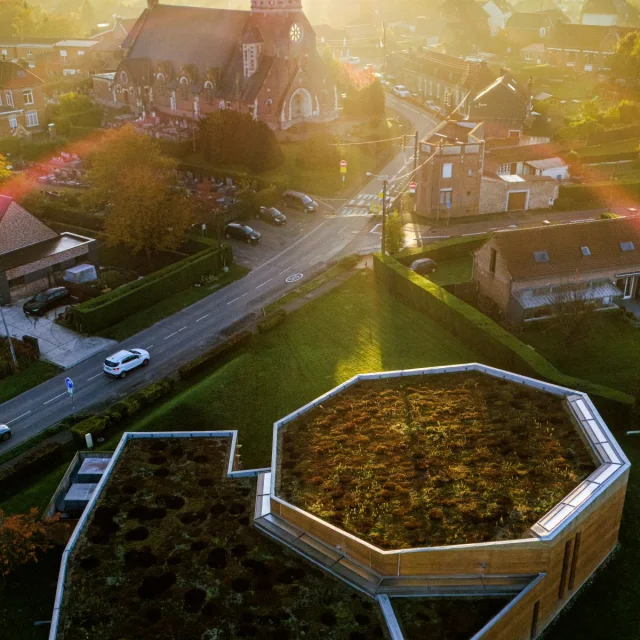
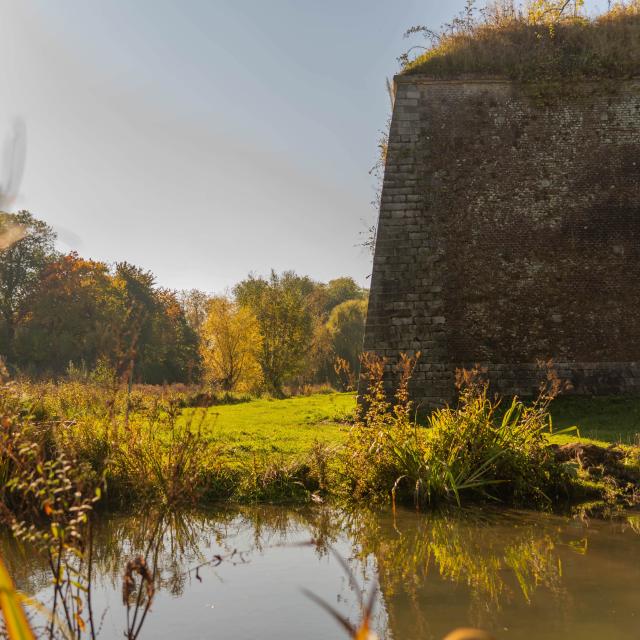
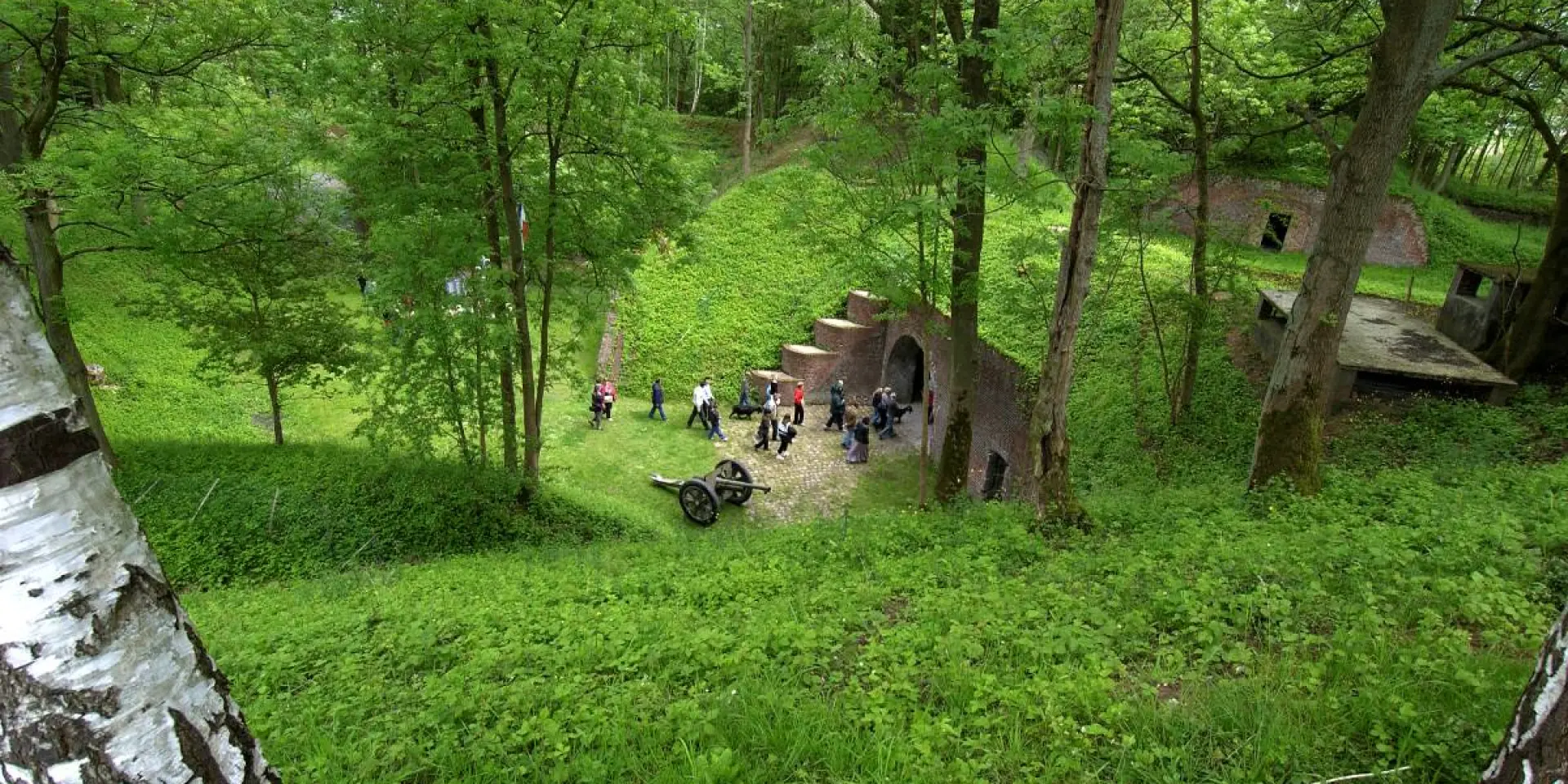
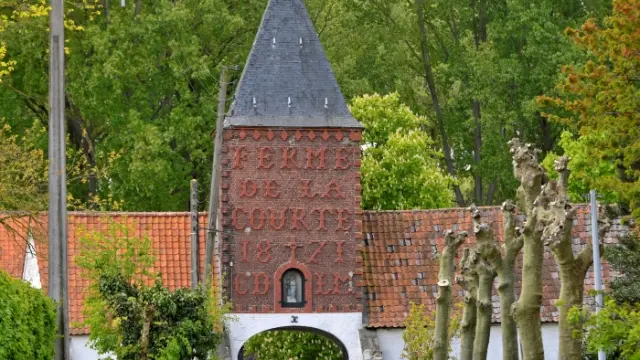
Fort de Seclin

|

Eric POLLET/Lille Métropole

Memory Tourism  where history changed sides

De la bataille de Bouvines aux lieux de la Résistance nordiste, Lille – et sa Métropole – est l’un des territoires de mémoire les plus riches de France.

Champs de bataille, forts de Serré de Rivière, Citadelle de Vauban, musées, cimetières militaires : huit siècles d’histoire à portée de main, pour ceux qui veulent comprendre — vraiment — comment cette région a façonné la France.

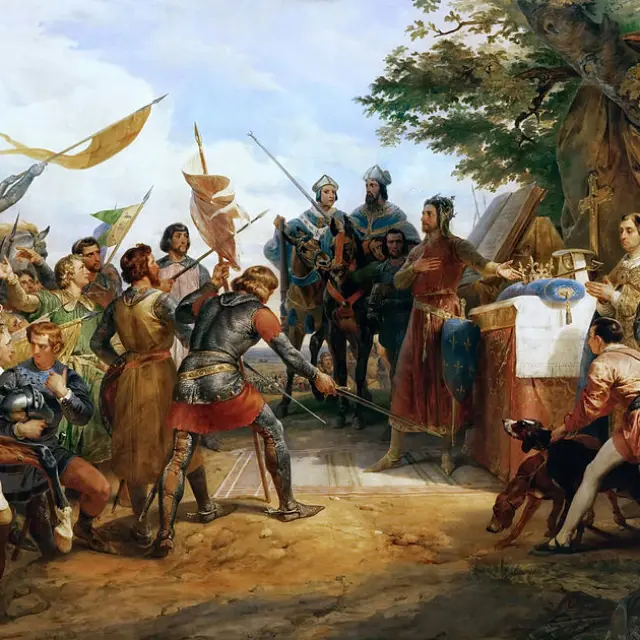
27 July 1214 Bouvines : The day France nearly ceased to exist

Ten kilometres from Lille, on a plain that looks today like any other flat stretch of the Nord, Philippe II Auguste played and won the most reckless gamble in French history.

The backstory, fast-tracked (we promise, it won’t hurt):

For decades, the French and English crowns had been locked in a bitter struggle over Norman lands. Jean sans Terre  (Richard Coeur de Lion ‘s brother), yes, that was his actual nickname; he was born the fourth son with nothing to inherit, assembled a massive coalition to crush Philippe II Auguste once and for all.

Nobody had apparently told the French knights they were supposed to lose.

The result: Jean sans Terre slunk home in defeat, signed Magna Carta under pressure from his own barons, and Bouvines went down in history as France’s first great national victory. Not bad for a Sunday.
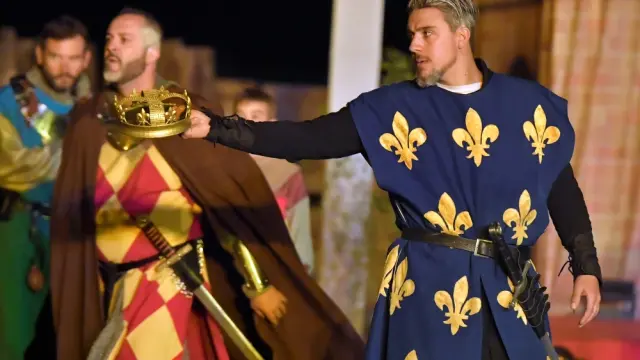
The battle itself:

It’s Sunday, 27 July 1214. It’s hot. Philippe II Auguste, alongside a handful of French knights and local allies, finds himself facing a coalition of England, the Holy Roman Empire, and the Count of Flanders. In other words: everyone against one. The stuff of disaster movies.

And yet. Within a few hours of knightly chaos, horses, dust, spurs flying, Philippe II Auguste pulls off a victory that will literally redraw the map of Europe. Jean sans Terre loses his French territories. Royal power consolidates. France, as we know it, truly begins here. At Bouvines.

Today, the village proudly keeps the memory of that improbable Sunday alive. Its church houses 19th-century stained-glass windows depicting the battle scene by scene, along with a dedicated exhibition room where the whole story clicks into place, even if feudal politics aren’t exactly your speciality.

“A victory on a Sunday, against all odds, in the middle of a heatwave. Philippe Auguste clearly had a gift for timing.”


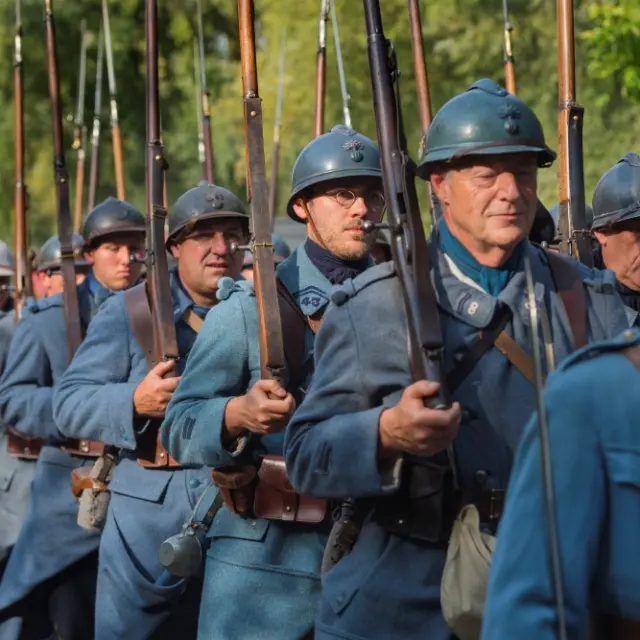
1914-1918 The Great War:  The front at Lille's doorstep

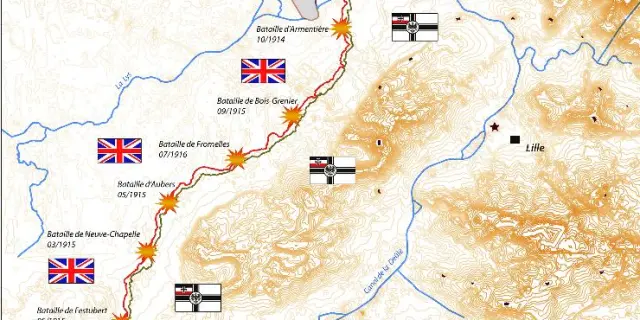
For four years, Lille lived under German occupation while, just a few kilometres away, trenches tore through the Flemish plain. Fromelles, the Weppes, Armentières: three territories, three faces of the same war.

Lille under German rule

On 13 October 1914, Lille fell to the Germans. For four years, the city resisted in its own way: in the silence of cellars, through small daily acts of defiance, through networks of solidarity woven between neighbours. Requisitions, curfews, civilian deportations for forced labour, the occupation was brutal, and the people of Lille did not forget.


19–20 July 1916: Fromelles, a night with no end

Twenty kilometres south-west of Lille, the night of 19–20 July 1916 remains one of the deadliest in the entire war for Australian and British troops: in under 24 hours, nearly 5,500 soldiers were killed or wounded. The village, razed to the ground, was entirely rebuilt after the war.

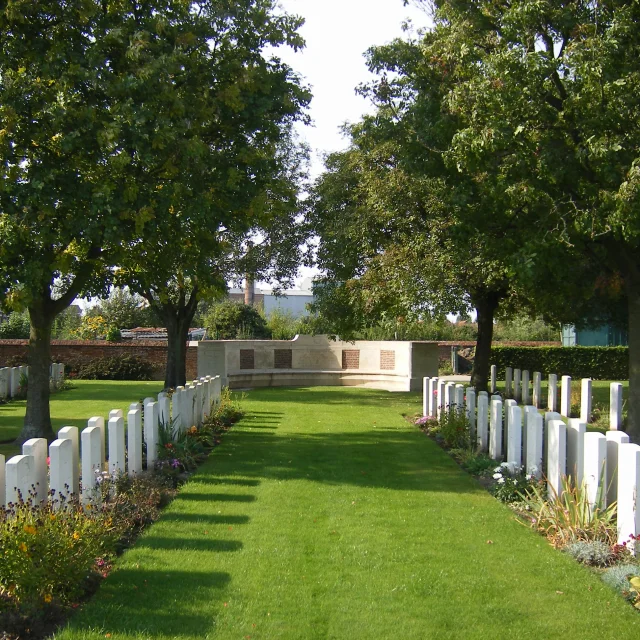
The Musée de la Bataille de Fromelles tells the story of this disaster through authentic objects, eyewitness accounts, and the findings of archaeological digs begun in 2008, which allowed soldiers missing for 90 years to finally be identified. Right next door, the Australian Memorial at VC Corner is the only circular military cemetery in France. Not a single named headstone: the bodies could never be formally identified. A silence that says everything.

The Pheasant Wood project:  an extraordinary story

250 soldiers found. A cemetery inaugurated in 2010 for the dead of 1916.

In 2008, archaeologists began excavations near Pheasant Wood at Fromelles. They uncovered the remains of 250 Australian soldiers listed as missing since the July 1916 battle, the Germans had secretly buried them in mass graves immediately after the fighting, without informing anyone.

What followed was a monumental undertaking: DNA analysis, cross-referencing with Australian and British military archives, appeals to the families of missing soldiers around the world.

The outcome: a large proportion of these men were identified by name, nearly 90 years after their deaths.

To give them a proper resting place, a new military cemetery was created on the site, Pheasant Wood Cemetery, inaugurated in 2010. It is the first Commonwealth war cemetery to be opened since the Second World War, a milestone etched into the landscape of Fromelles, and into the memory of thousands of Australian families who finally learned where their ancestors lay.

The Weppes and Mélantois: mines, tunnels and necropoles

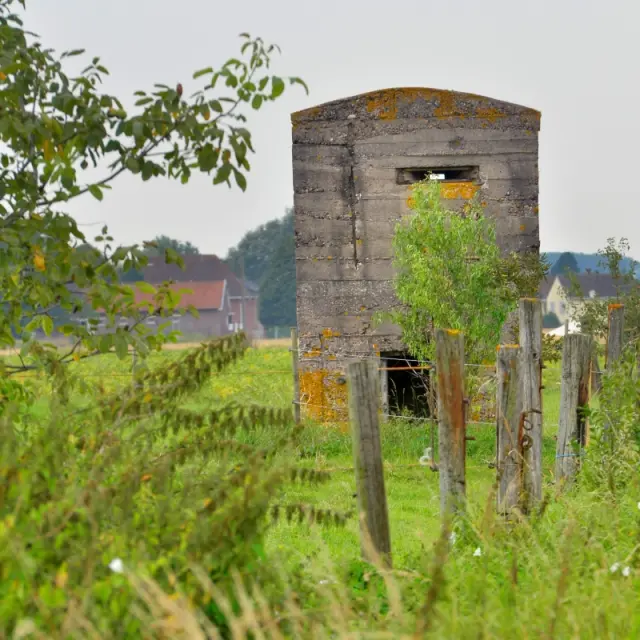
To the south-west and south-east of Lille, the pays des Weppes and the Mélantois silently bear the scars of a war fought at ground level, and below it. Beneath the fields of the Weppes, networks of tunnels and mines dug by both sides faced off in an invisible, deadly duel. Some craters and front-line features are still visible today, circular or rectangular shapes in the agricultural landscape, discreet witnesses to fighting that shook the earth for kilometres around.

National necropoles and military cemeteries dot the roads through both areas :  Illies, Aubers, Fournes-en-Weppes on the Weppes side; Seclin and the villages of the Mélantois to the south. Each bears the names of French, British, and Indian soldiers who came to die on a plain they had never known.

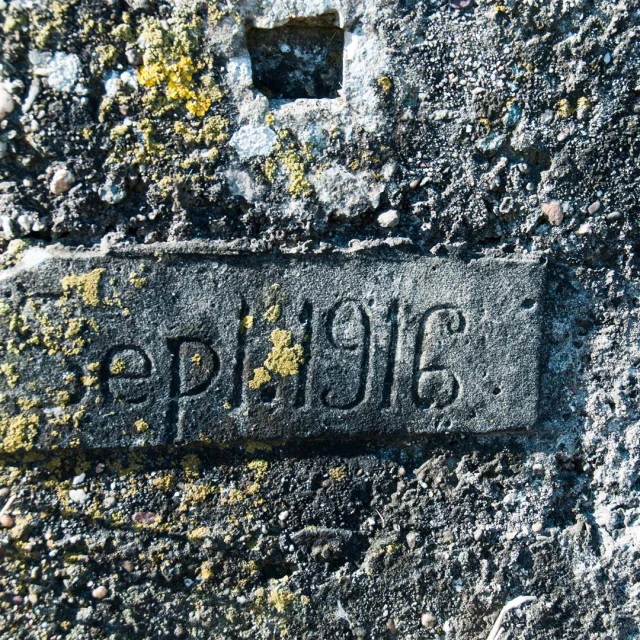
At Seclin, the military fort, built in the 19th century, played a strategic role in the first weeks of the conflict before falling under German occupation. The village war memorials, often quietly tucked away on a village square, list names that speak for themselves, the full human cost of the war, commune by commune, however small.

These are landscapes for those who want to go beyond the big-ticket sites, an intimate kind of remembrance, best explored by bike.

The Christmas Truce of 1914

Around Armentières and Fromelles, the famous Christmas Truce of 1914 takes on its fullest meaning. British and German soldiers climbed out of their trenches, exchanged cigarettes, and played football in the frozen no man’s land. An astonishing, spontaneous moment of shared humanity, one that officers on both sides could never quite erase from living memory

1939-1945 Occupation and Resistance:  The Nord stands firm

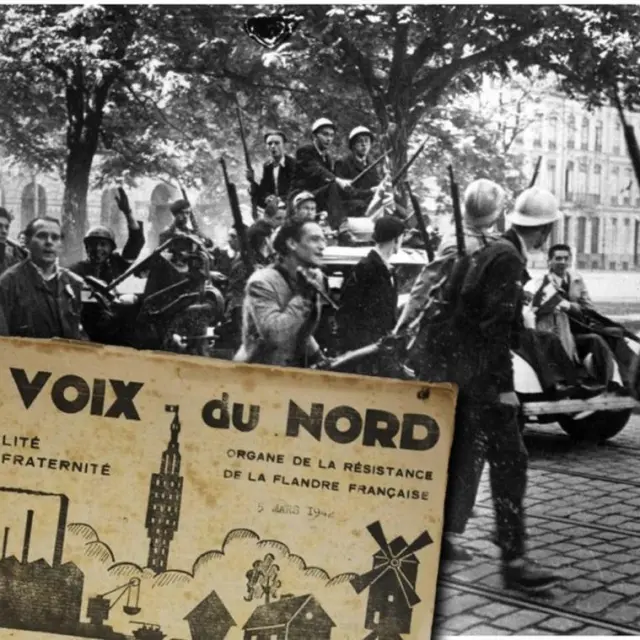
From 1940 to 1944, Lille was occupied once again. But beneath the Nazi boot, another city existed, clandestine, organised, and brave. The city of Northern resistance fighters who paid dearly for their courage.

From June 1940, the Nord was placed under Brussels military command, an administrative decision with heavy consequences, cutting the region off from Vichy France. Lillois found themselves in a grey zone, doubly isolated, and doubly stubborn.

In back rooms and basement print shops, men and women produced underground newspapers, organised escape networks for downed Allied pilots, gathered intelligence. The Northern resistance, often overlooked, was in fact one of the most active in occupied France.

In Bondues, on the northern edge of Lille, the Fort de Bondues stands as a symbol of the brutality of those years. The Nazis executed dozens of resistance fighters there between 1941 and 1944. Now converted into a memorial museum, it welcomes school groups, families, and visitors who come to understand and to remember.

1er april 1944 The Massacre of Ascq

It’s 10:30 pm. A Wehrmacht train has just been blown up by a Resistance mine on the Ascq railway line. No one died in the explosion. But SS-Obersturmführer Walter Hauck, commanding the SS armoured division escorting the convoy, orders immediate reprisals.

In under an hour, SS troops drag men from their homes, some still in pyjamas and execute them along the railway tracks. Eighty-six civilians are shot dead that night. Fathers, old men, young men. The oldest is 75. The youngest, 15.

It is the largest massacre of civilians in northern France during the Second World War. Hauck was tried after the war and convicted then pardoned, sparking an outrage that still reverberates across generations.

Today, the Musée du Massacre d’Ascq, located in Villeneuve-d’Ascq, preserves the memory of that night through archives, survivor testimonies, and a chronological reconstruction that leaves no one unmoved.

“The Northern resistance was ordinary people doing extraordinary things , mostly in silence, mostly without recognition.”

« La résistance nordiste, c’est des gens ordinaires qui ont fait des choses extraordinaires  souvent dans le silence et l’anonymat. »

From Vauban to the 19th Century  Military Architecture:  Forts and Fortifications

Since the reign of Louis XIV, the Lille Métropole has been one of the best-defended strongholds in Europe. Citadelles, star-shaped forts, river fortifications: an exceptional military heritage, spanning UNESCO World Heritage status and living memory.

Vauban arrived in Lille in 1667, in the wake of Louis XIV’s conquest of the city. Within a few years, he had built the Citadelle known ever since as the “Queen of Citadelles”, a perfect pentagon of brick and stone that stands as a monument to unrivalled military genius. It is listed as a UNESCO World Heritage Site. A garrison still occupies it today, but its park is open to all, year-round.

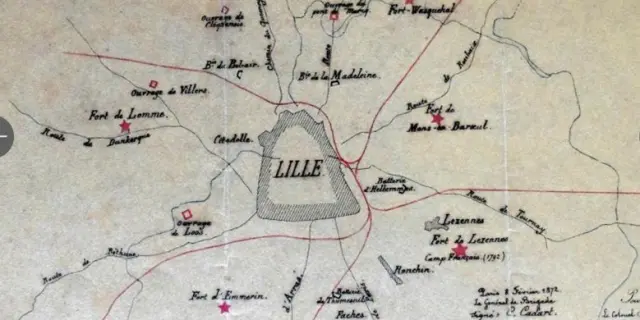
In the 19th century, following the upheavals of the Napoleonic era, a ring of forts was built around Lille to defend the northern border. These star-shaped forts, designed to withstand modern artillery, make up a fascinating heritage landscape today, sometimes open to the public, sometimes still enigmatic behind their walls of greenery. These are the so-called Séré de Rivière forts.

Along the waterways (the Lys, the Deûle, the Marque) fortified hydraulic structures completed the system. Controlling the waterways meant controlling troop movements. Often overlooked, these structures tell a different story of how wars were fought.