©

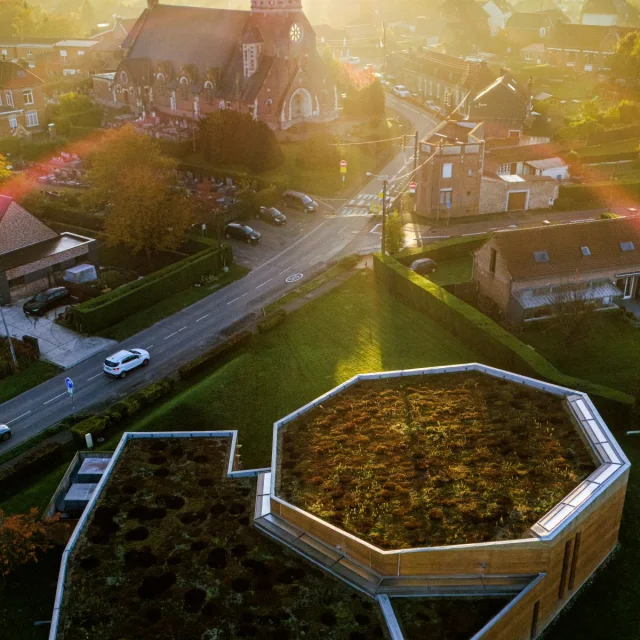
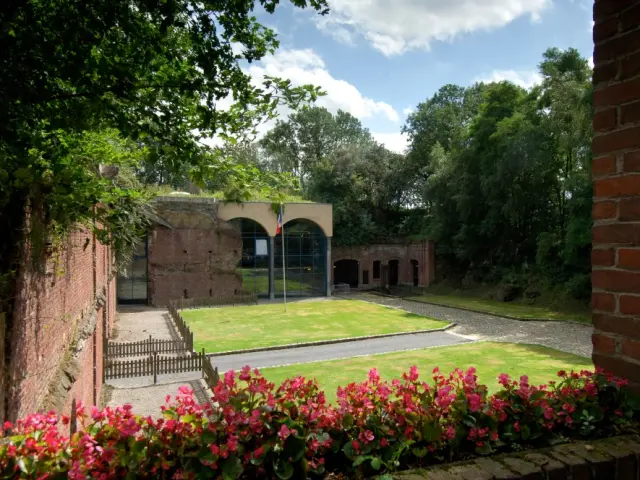
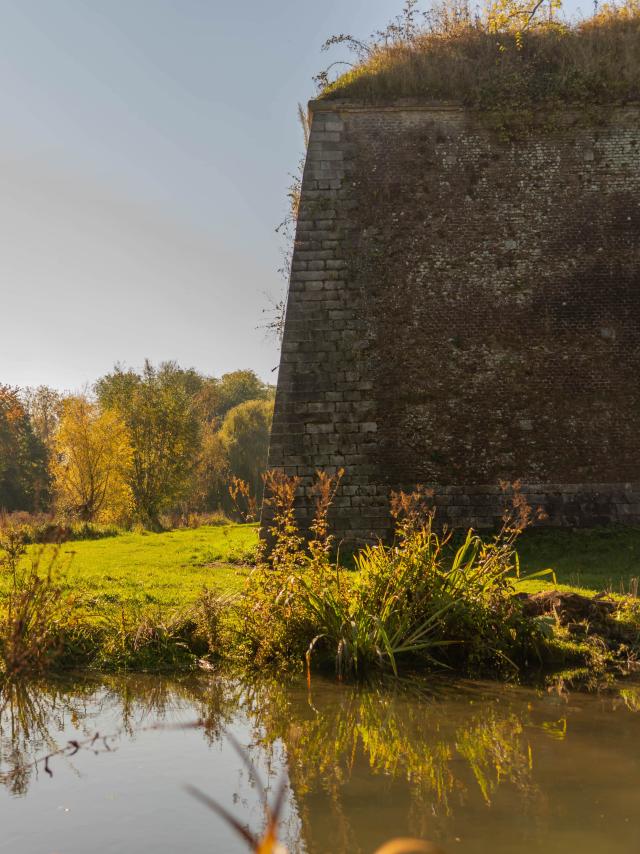
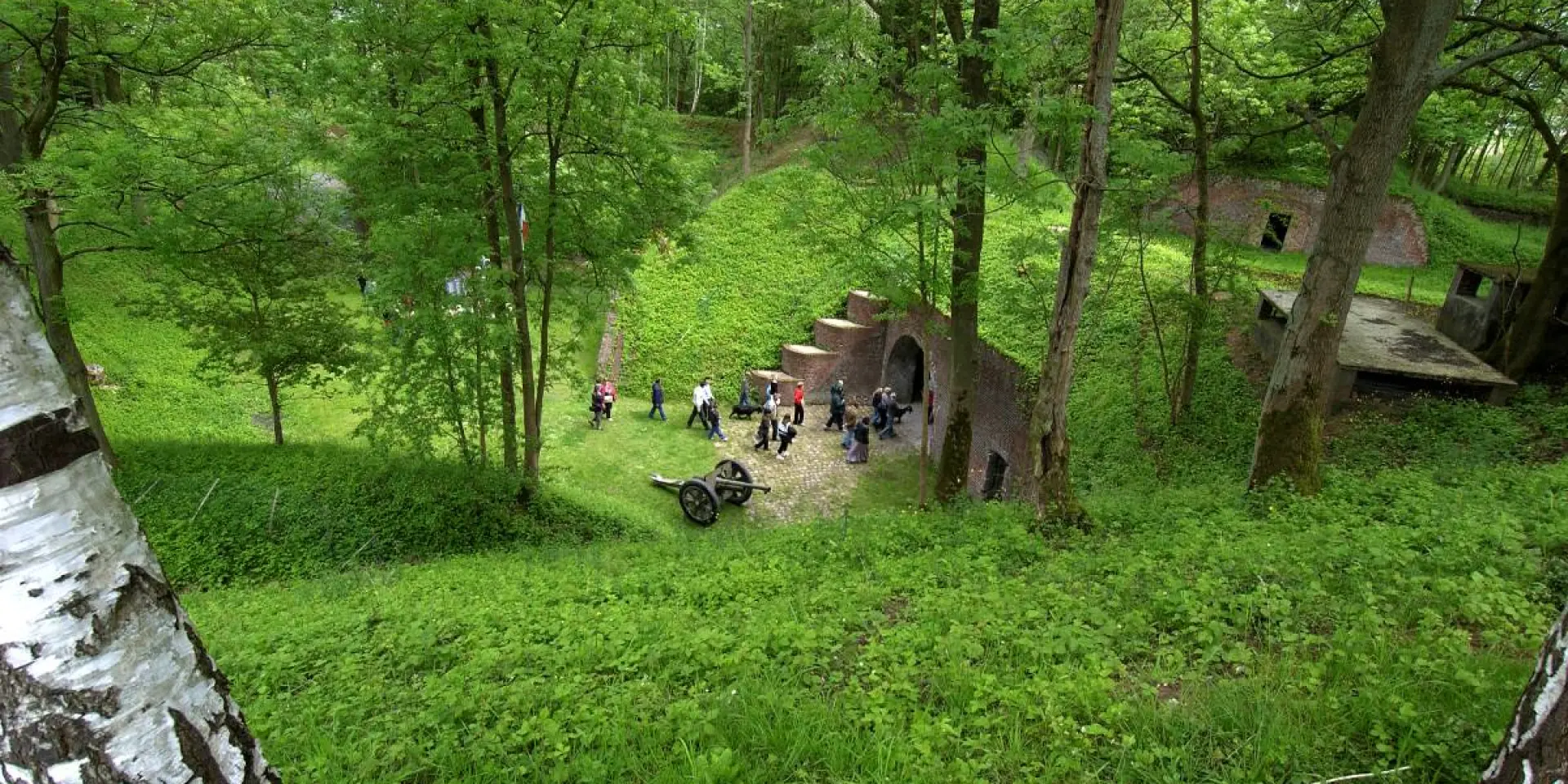
Fort de Seclin

|

Eric POLLET/Lille Métropole

Memory Tourism Where History changed the course of Europe

Some places preserve history. Others changed it.

From the Battle of Bouvines to the battlefields of Fromelles, from Vauban’s mighty fortifications to the stories of the French Resistance, the Lille Metropolitan Area invites you to step into more than eight centuries of history.

Here, every monument, museum and memorial tells part of a much bigger story.

27 July 1214 Bouvines: The day France almost didn't exist

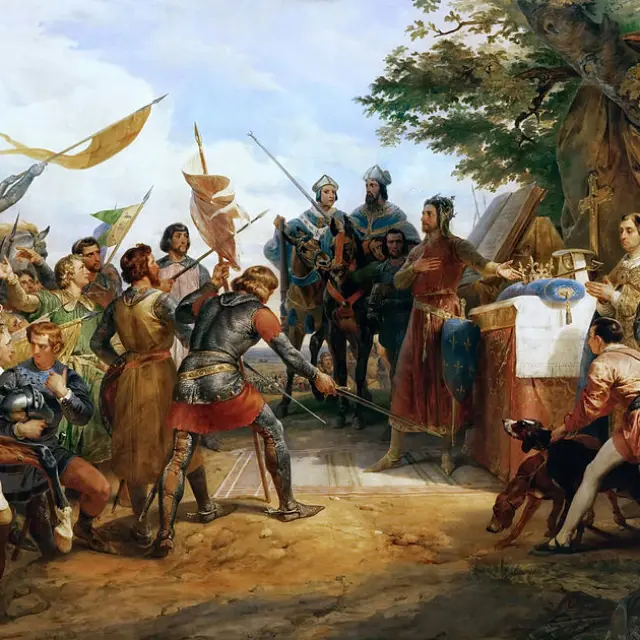
Just 10 kilometres from Lille, an ordinary-looking plain witnessed one of the most decisive battles in European history. King Philip Augustus faced a powerful coalition of English, Flemish and Imperial forces. Against all odds, he won.

That victory helped shape the Kingdom of France as we know it today.

Not bad for a Sunday.

Setting the scene! Don’t worry, we’ll keep it brief.

At the beginning of the 13th century, King Philip Augustus had seized several territories from the King of England, including Normandy. Determined to win them back, King John of England formed an alliance with Emperor Otto IV and the Count of Flanders. Their plan was simple: defeat the French king. On 27 July 1214, their armies met near Bouvines. The battle ended in a decisive French victory, strengthening the French monarchy and reshaping the political landscape of medieval Europe.
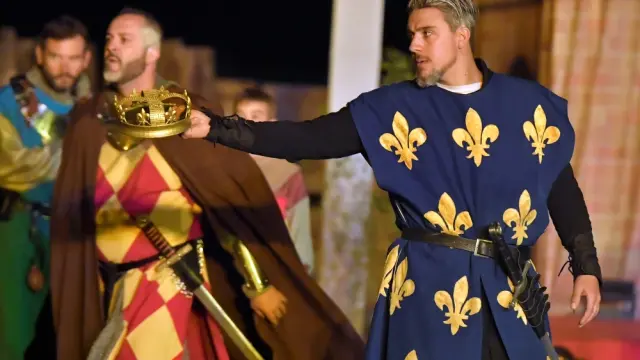
 

The battle

On the morning of 27 July 1214, thousands of knights and soldiers gathered near Bouvines.

The fighting lasted only a few hours, but its consequences would be felt for centuries.

Philip Augustus emerged victorious, while Emperor Otto IV fled the battlefield and King John of England returned home politically weakened. Within a year, he would be forced to seal the Magna Carta, one of the founding texts of modern democracy.

Today, the village of Bouvines still preserves the memory of this historic day through its church, remarkable stained-glass windows and interpretation centre.

1914–1918 The First World War When the front line reached Lille

The First World War left a lasting mark on the Lille Metropolitan Area..

Lille under German occupation

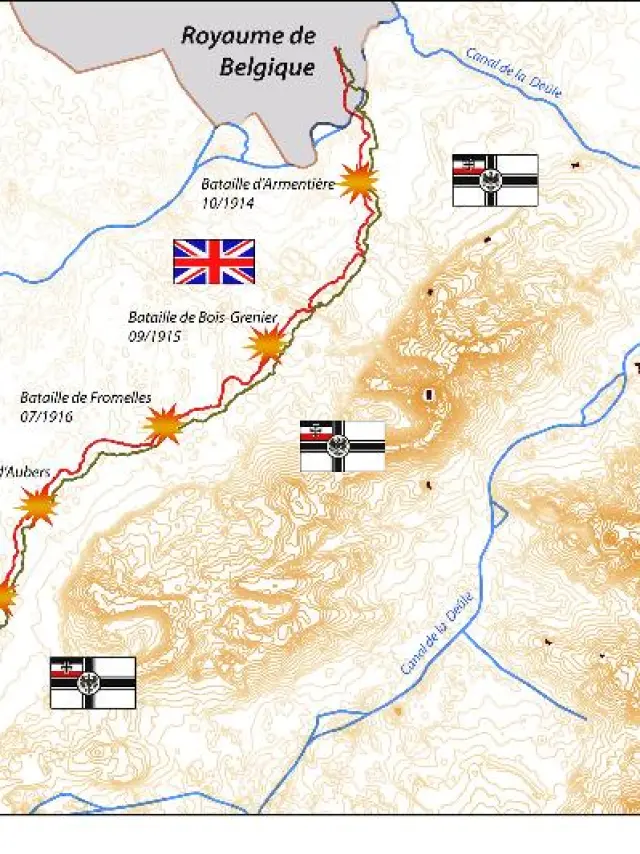
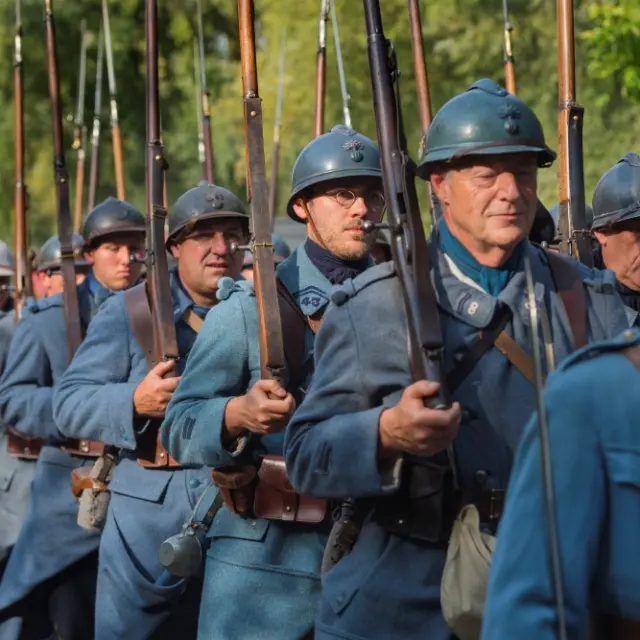
For four long years, Lille lived under German occupation, while just a few kilometres away, the countryside became the scene of fierce fighting. Today, memorials, museums, military cemeteries and preserved battlefields invite visitors to discover the stories of those who lived, fought and lost their lives here.

19-20 July 1916: the Battle of Fromelles

One night. Thousands of lives changed forever.

On the evening of 19 July 1916, British and Australian troops launched an assault on the German lines at Fromelles. The attack was intended to divert German forces from the Battle of the Somme. Instead, it became one of the bloodiest nights in Australian military history.

In less than 24 hours, more than 8,500 soldiers were killed, wounded or reported missing.

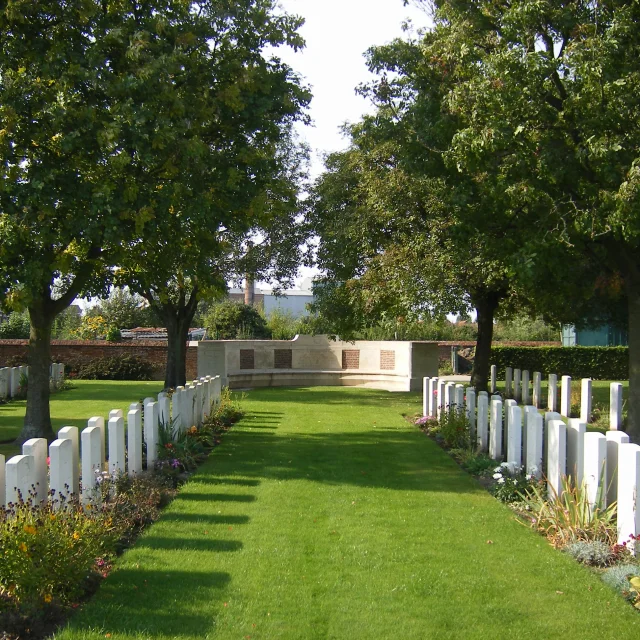
The Battle of Fromelles Museum recounts this disaster through authentic artefacts, eyewitness accounts and the findings of archaeological excavations carried out from 2008 onwards — which made it possible to identify soldiers who had been missing for 90 years. Right next door, the Australian VC Corner Memorial is the only circular military cemetery in France. There is not a single gravestone bearing a name: the bodies could never be formally identified. A silence that speaks volumes.

Pheasant Wood Project An extraordinary story

For decades, the fate of hundreds of Australian and British soldiers remained unknown.

In 2008, archaeologists uncovered a series of mass graves at Pheasant Wood, where German soldiers had secretly buried 250 Allied soldiers after the battle.

Thanks to years of archaeological research and DNA analysis, many of these soldiers were finally identified and laid to rest with full military honours.

Today, Pheasant Wood Military Cemetery stands as one of the most moving remembrance sites in the region.

Weppes and Mélantois: Mines, tunnels and military cemeteries

The battle wasn’t only fought above ground.

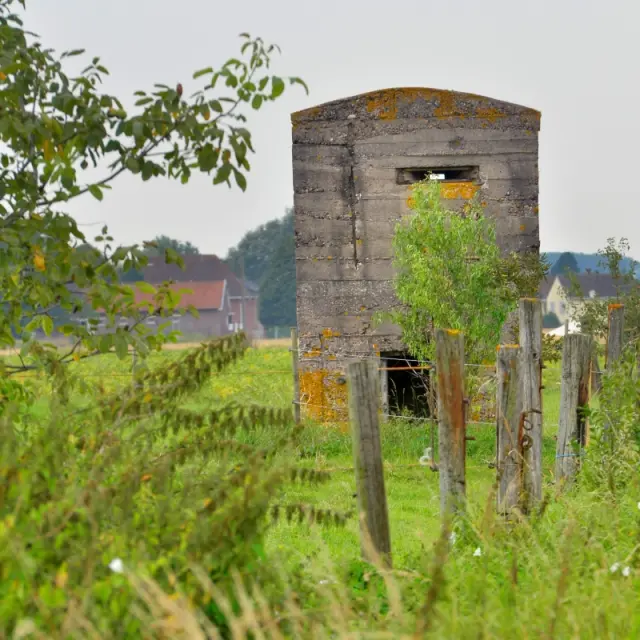
Hidden beneath the fields of the Weppes and Mélantois lies a network of tunnels and mines dug by both sides, while shell craters and former front lines still leave their mark on today’s peaceful countryside.

Military cemeteries, the Fort de Seclin and village war memorials tell the stories of French, British, Indian and Commonwealth soldiers who fought and died here.

These are places for those who want to venture beyond the major memorial sites and discover a quieter, more personal side of remembrance, best explored by bike.

The Christmas Truce of 1914 When the guns fell silent

On Christmas Eve 1914, something extraordinary happened along parts of the Western Front.

British and German soldiers climbed out of their trenches, exchanged greetings, shared food and sang Christmas carols together. In some places, they even played football in No Man’s Land. Although the truce lasted only a short time, it remains one of the most powerful symbols of humanity during the First World War.

1939-1945 Occupation & resistance The North stood firm

From 1940 to 1944, Lille was once again under occupation. But behind the façade of daily life, another city was at work, organised, clandestine and determined to resist.

Cut off from the rest of occupied France and attached to the German military administration in Brussels, the Nord region faced particularly harsh conditions.

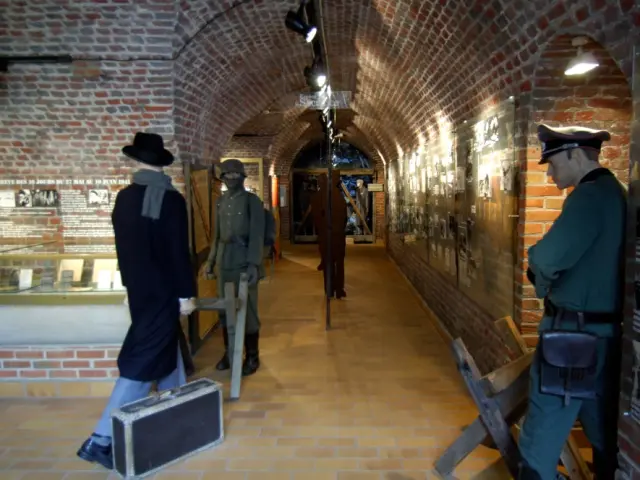
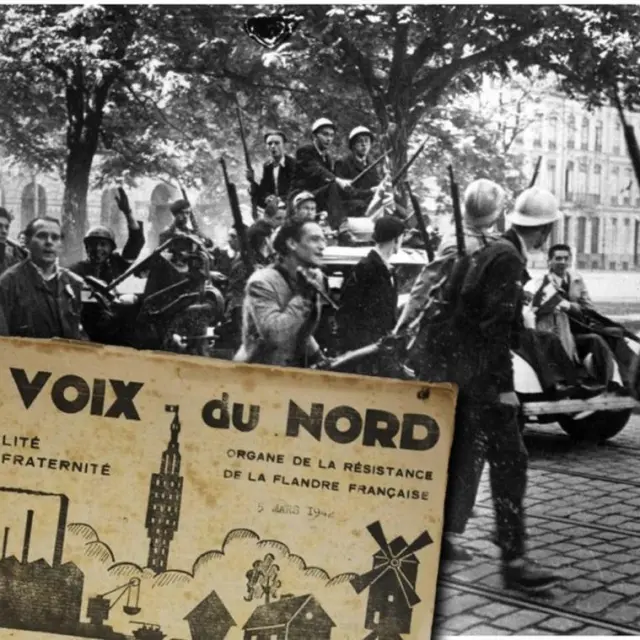
Across Lille and its Metropolitan Area, ordinary men and women printed underground newspapers, organised escape networks for Allied airmen, gathered intelligence and carried out acts of sabotage, often at the risk of their lives.

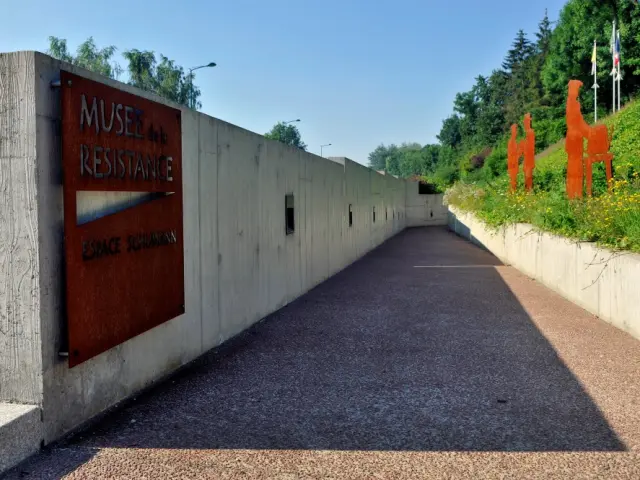
Today, places such as the Fort de Bondues keep their memory alive and tell the story of a resistance built on courage, solidarity and quiet determination.

1 April 1944 The Ascq massacre

On the evening of 1 April 1944, a train carrying the 2nd SS Panzer Division “Das Reich” was damaged by an act of sabotage near Ascq.

Although no German soldiers were killed, the occupying forces retaliated with brutal violence.

In less than two hours, 86 civilians were executed.

It remains one of the deadliest massacres of civilians committed in France during the Second World War.

Today, the Musée du Massacre d’Ascq 1944, in Villeneuve-d’Ascq, preserves the memory of the victims through archives, personal accounts and a powerful historical exhibition.

“Few names are mentioned here… yet every one of them deserves to be remembered.”

Michel Rousseau

From Vauban to the 19th century Military architecture Forts and Fortifications

For centuries, the Lille Metropolitan Area has been one of Europe’s most heavily fortified regions.

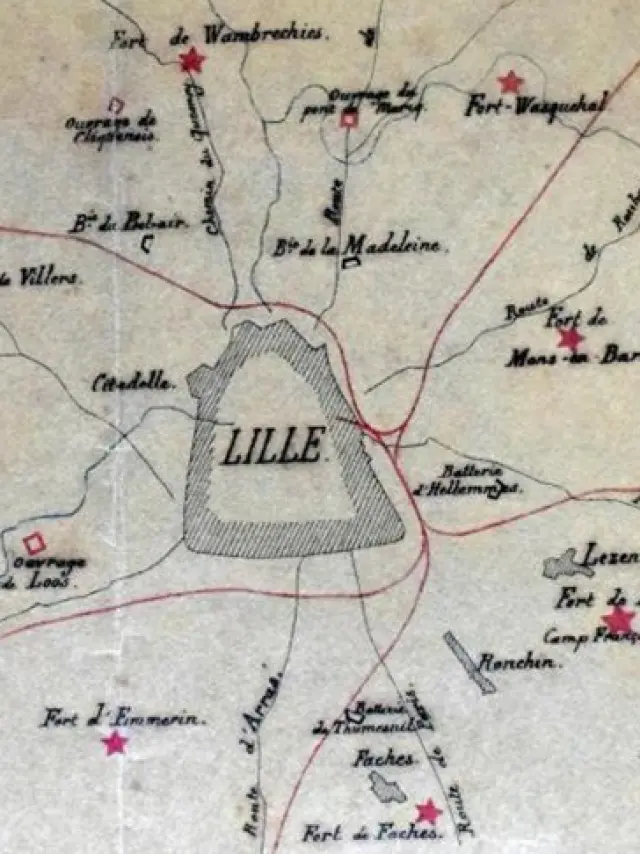
From Vauban’s celebrated Citadelle to the ring of 19th-century forts built under the Séré de Rivières system, these military structures tell the story of a borderland shaped by strategy, engineering and conflict.

Today, they form a remarkable heritage, where military history meets nature, architecture and remembrance.

Vauban arrived in Lille in 1667, following Louis XIV’s conquest of the city. Within just a few years, he built the Citadelle, later nicknamed the “Queen of Citadels“. This perfectly proportioned pentagonal fortress of brick and stone stands as one of the finest achievements of military engineering. Today, it is listed as a UNESCO World Heritage Site. Although it remains an active military base, the surrounding park is open to visitors throughout the year.

During the 19th century, in the aftermath of the Napoleonic Wars, a ring of forts was built around Lille to protect France’s northern border. Designed to withstand modern artillery, these star-shaped forts, known as the Séré de Rivières fortifications, now form a remarkable military heritage. Some are open to the public, while others remain hidden among the surrounding countryside, waiting to be discovered.

Along the region’s waterways, including the Lys, Deûle and Marque, fortified hydraulic structures completed this vast defensive network. Controlling the waterways meant controlling the movement of troops. Often overlooked today, these structures reveal another fascinating aspect of military history.